
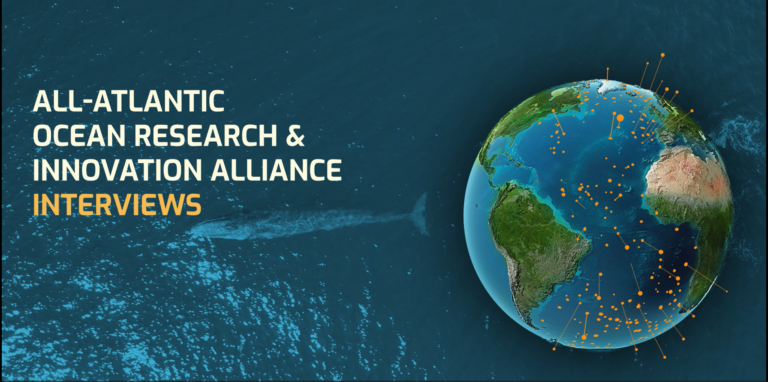
In this instalment of the All-Atlantic Ocean Research and Innovation Alliance interview campaign, we reflect on a powerful idea: if our challenges are shared, so are our solutions. Building trust, exchanging knowledge and learning from one another are essential steps towards creating a resilient and inclusive Atlantic community.
Understanding how people connect to the ocean, both emotionally, culturally or spiritually, is at the heart of effective communication. When people recognise how the ocean shapes their daily lives and how their actions affect marine ecosystems, they are more motivated to protect it. Communication makes ocean literacy more accessible and more meaningful, bridging the gap between scientific knowledge and lived experience.
For Alice Estrela, AI x science communication strategist from Science Crunchers, communication amplifies the impact of scientific action, especially when it speaks to younger generations. Reaching youth is essential, she says, because “they will become the ocean guardians of the future”. Mentorship, whether from teachers, scientists or community leaders, helps ensure that today’s knowledge transforms into long lasting change. As Alice puts it: “sharing issues and joy is part of what unites us”.
Jovana Kornicer, Fisheries Coordinator with the Atlantic Policy Congress of First Nations Chiefs Secretariat, brings a vital perspective on the integration of local and Indigenous knowledge to marine science by pointing to numerous success stories in which scientists and Indigenous communities have collaborated. Nevertheless, such partnerships only thrive when researchers arrive with an open mind, willing to understand the communities’ needs and sharing the benefits of their work. In Canada, protocols such as OCAP® (Ownership, Control, Access, and Possession) and established ethical guidelines ensure that traditional knowledge is used in a respectful manner and according to the wishes of the communities who hold it.
Indigenous communities across the Atlantic have demonstrated remarkable resilience. They have emerged as climate leaders, confronting sea-level rise, coastal erosion and extreme weather events while advancing innovative approaches and becoming environmental stewards. They take only what is needed and always considering the next generation; this relationship with the ocean offers a powerful lesson of sustainability and intergenerational responsibility.
By valuing every form of knowledge, scientific, cultural, local and traditional, the Atlantic community can move towards a more inclusive and resilient future. In doing so, we ensure that the ocean we depend on is better understood, better protected and better cared for by all generations to come.
Subscribe to our newsletter and follow us on LinkedIn, X, Bluesky and Facebook to enjoy the interviews and discover new stories as they unfold.
